Beyond the Filter: Why Paris’s Last Analog Photobooths Are More Eternal Than AI
Recently, CHANEL announced “Internet Daddy” Pedro Pascal as its newest brand ambassador. In the latest campaign, he casually steps into a street-corner photo booth for a series of snapshots—a scene that has been woven into the fabric of Parisian daily life for decades.
在 Instagram 查看這則貼文
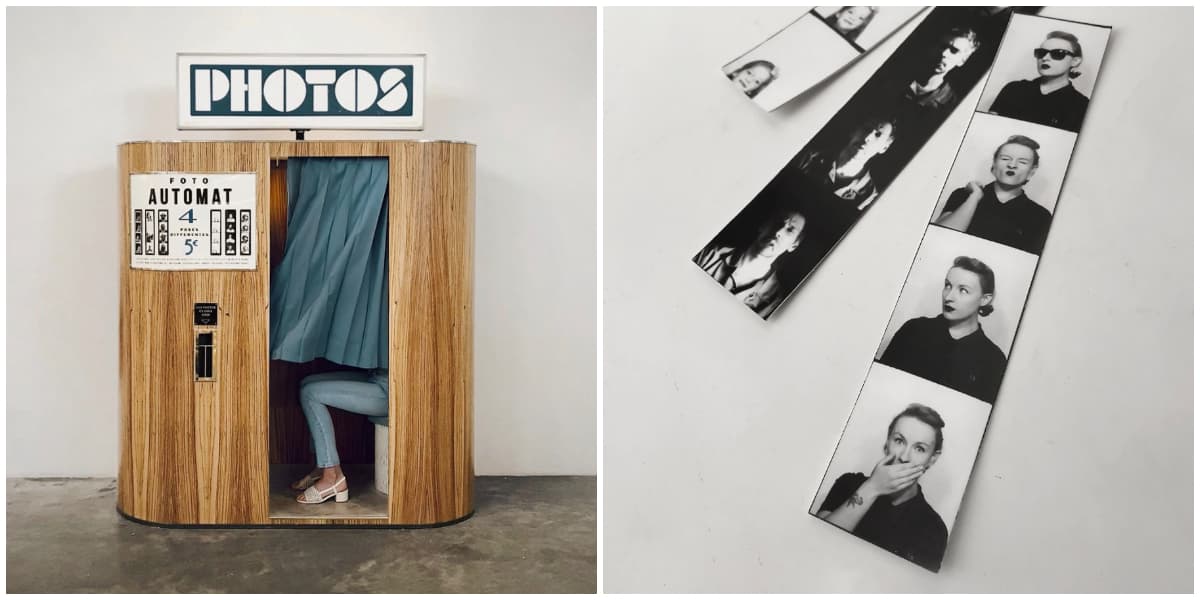
In Europe, a dedicated duo is keeping this vintage charm alive. Fotoautomat, run by Eddy Bourgeois and Virginie Voisneau, has been restoring 1950s analog photo booths since 2007, strategically placing them throughout the streets and art spaces of Paris.
Unlike the perfection and quirky filters of today’s digital booths, these 1950s machines retain their original mechanical soul. There are no “save” buttons, no retouching, and no second chances. In that brief, deliberate window between waiting for the film to develop and holding the physical strip, friends sit shoulder-to-shoulder to capture a genuine mood—turning a fleeting second into an eternal memory.
Recently, HEAVEN RAVEN sat down with the founders of Fotoautomat to discuss the origins of their journey and why they remain committed to this “old-school romance” in a relentless digital age.
HR:Could you please start by introducing yourselves and Fotoautomat to our audience?
.
Fotoautomat is dedicated to the restoration, design, and operation of the last analog photobooths in France and Czech since 2007.
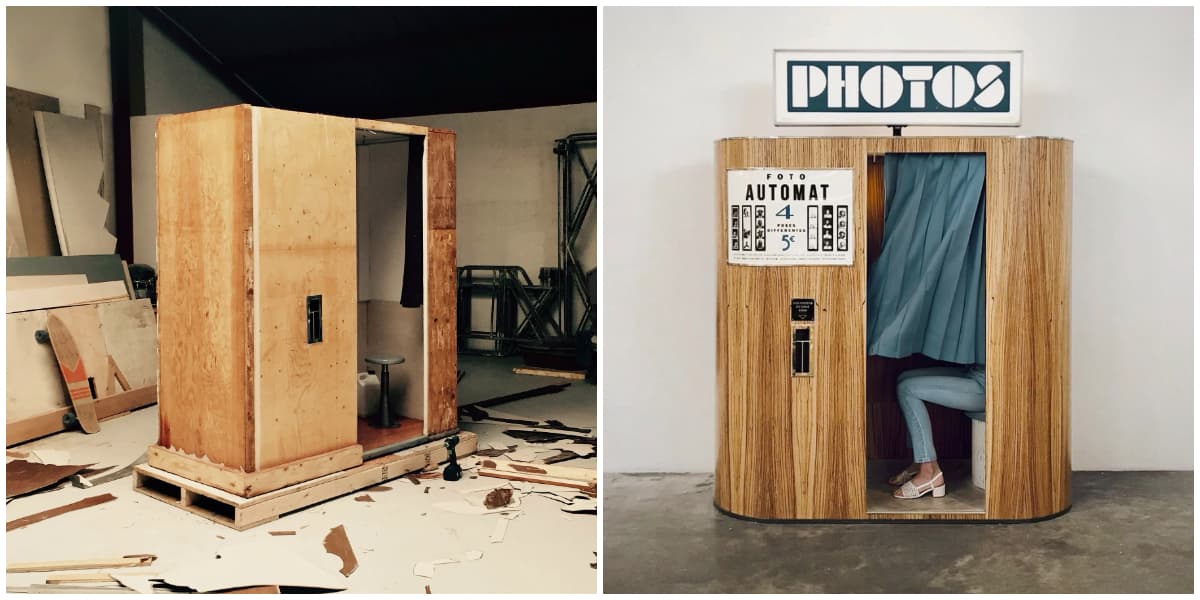
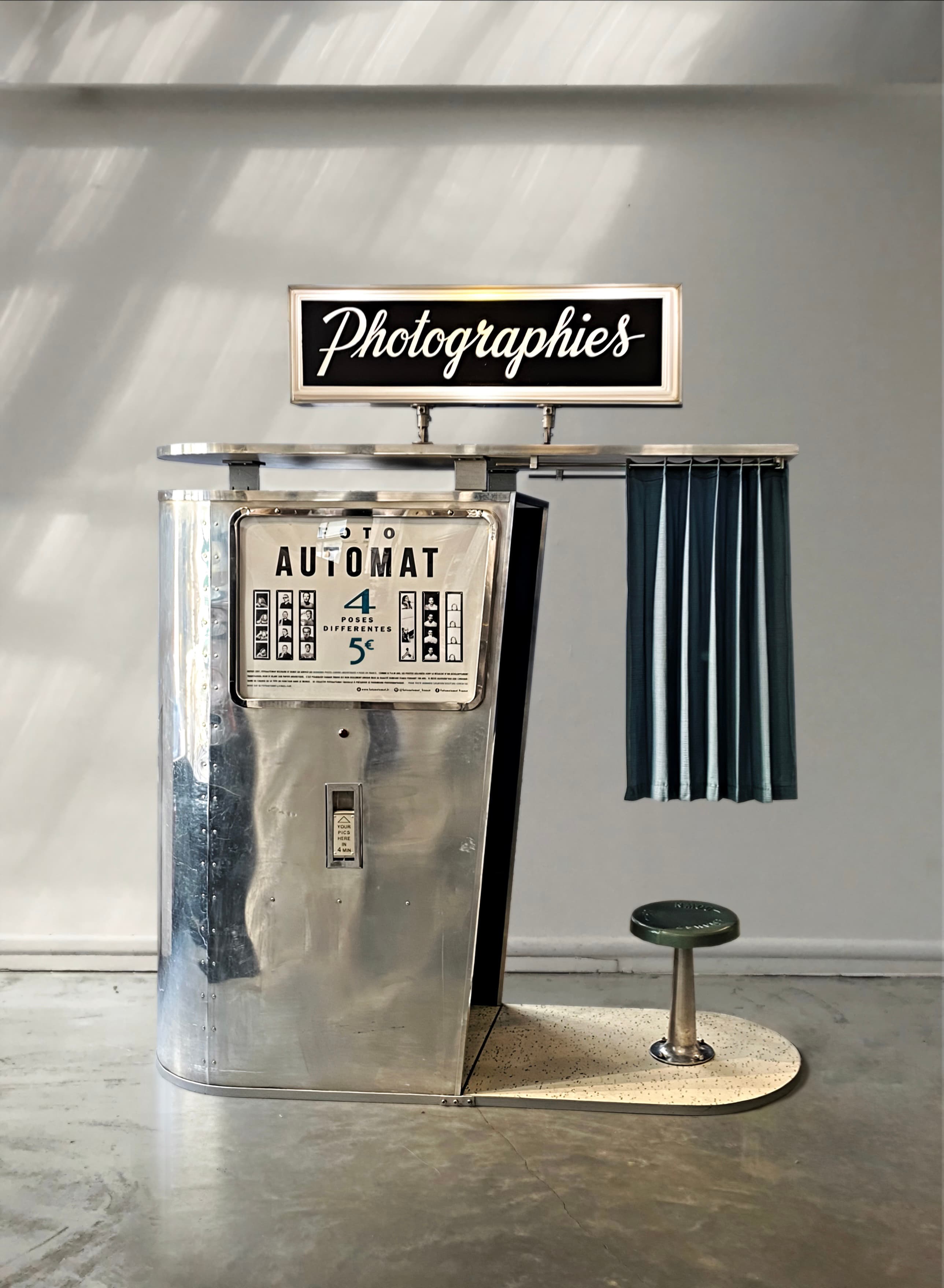
These machines are originally designed in the 1950s; depending on their condition, we either restore them to their original state or redesign and rebuild them in our workshop.
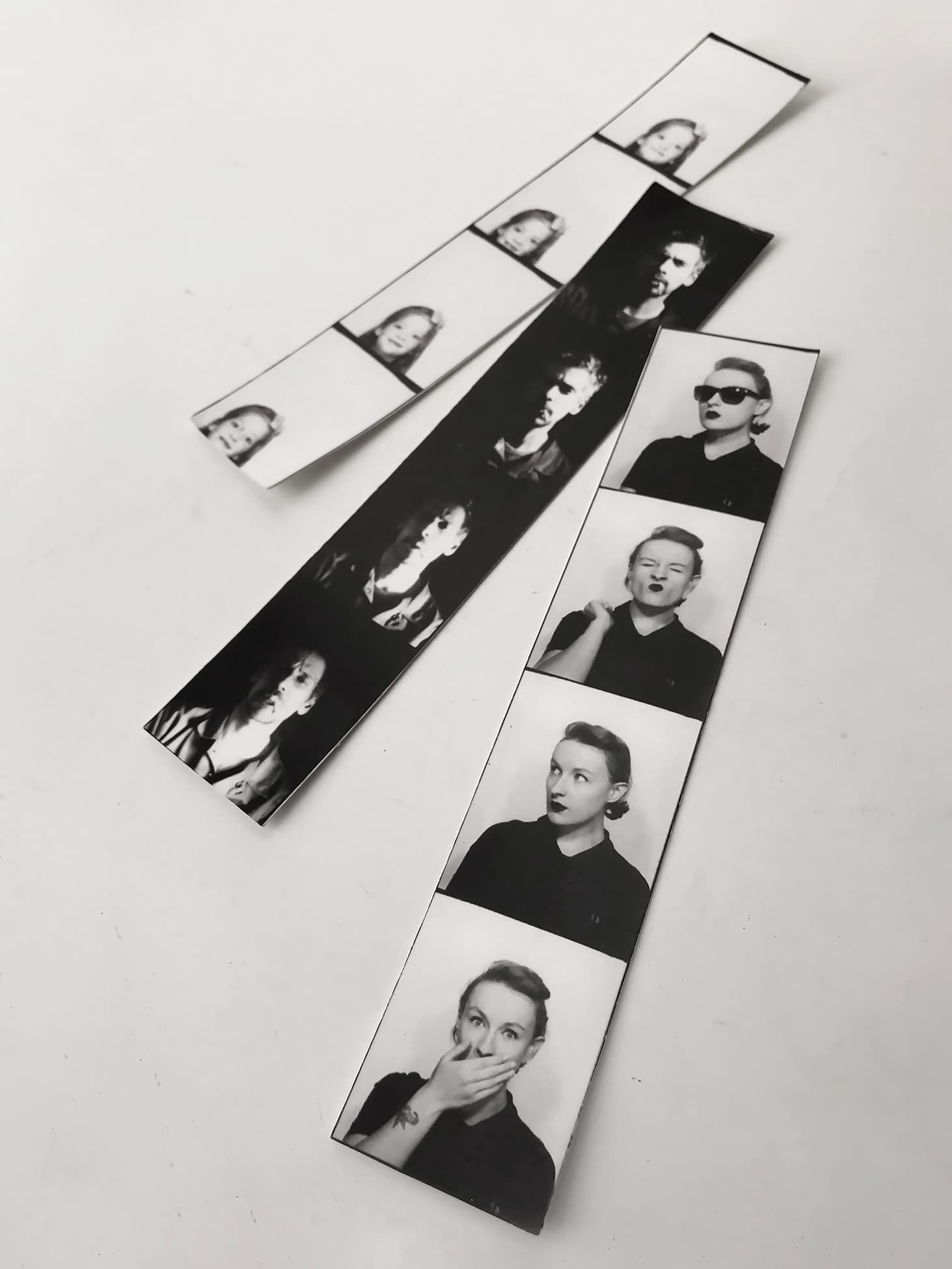
Each model is conceived as a unique piece, often reconstructed from the bare structure and entirely rethought, from the stool to the top sign, while preserving the original analog mechanism. Inside, an automated darkroom develop a unique strip in 4 poses and dip it into analog baths for 4 minutes before being delivered.
HR:The “photobooth” trend is currently booming across Asia. While many are marketed as “American Vintage,” the results are often digitally perfected, leading people to call them “Korean Style” booths. Could you explain what sets the Fotoautomat apart from these modern digital booths?
.
What is called a “photobooth” today covers very different realities. In our case, the image does not exist before it is physically produced. There is no file, no storage, no possibility of retouching. Each strip is chemically developed inside the machine and exists as a single original, ensuring complete freedom behind the curtain.
The timing of the flashes, the intervals between shots, and the development process introduce a degree of unpredictability.
The image is never fully controlled, it retains a degree of spontaneity and accident.
Analog photos, with their distinctive black-and-white aesthetic, achieve an unmatched quality and can last for over a century.
HR:We read that the project originally began in Berlin through Eddy. Could you share that story with us? What inspired you to bring the Fotoautomat spirit to Paris?
.
The project began in Berlin in the mid-2000s, where I met Ole and Asger. They were restoring analog photobooths and reinstalling them in the streets and clubs of the city. I joined them in the workshop, and that’s where the idea of bringing these machines back to France first emerged.
At the time, they had completely disappeared, replaced by digital booths. In 2006, I founded Fotoautomat to reintroduce them, not just as functional objects, but as something more cultural and artistic, like a ready-made.
The first machine was installed in Paris in 2007 at the Palais de Tokyo. Analog photography was already fading, so the project felt slightly out of time, which is probably what gave it its strength.
Today, only a small number of these booths remain with fewer than 200 working analog photobooths left worldwide.
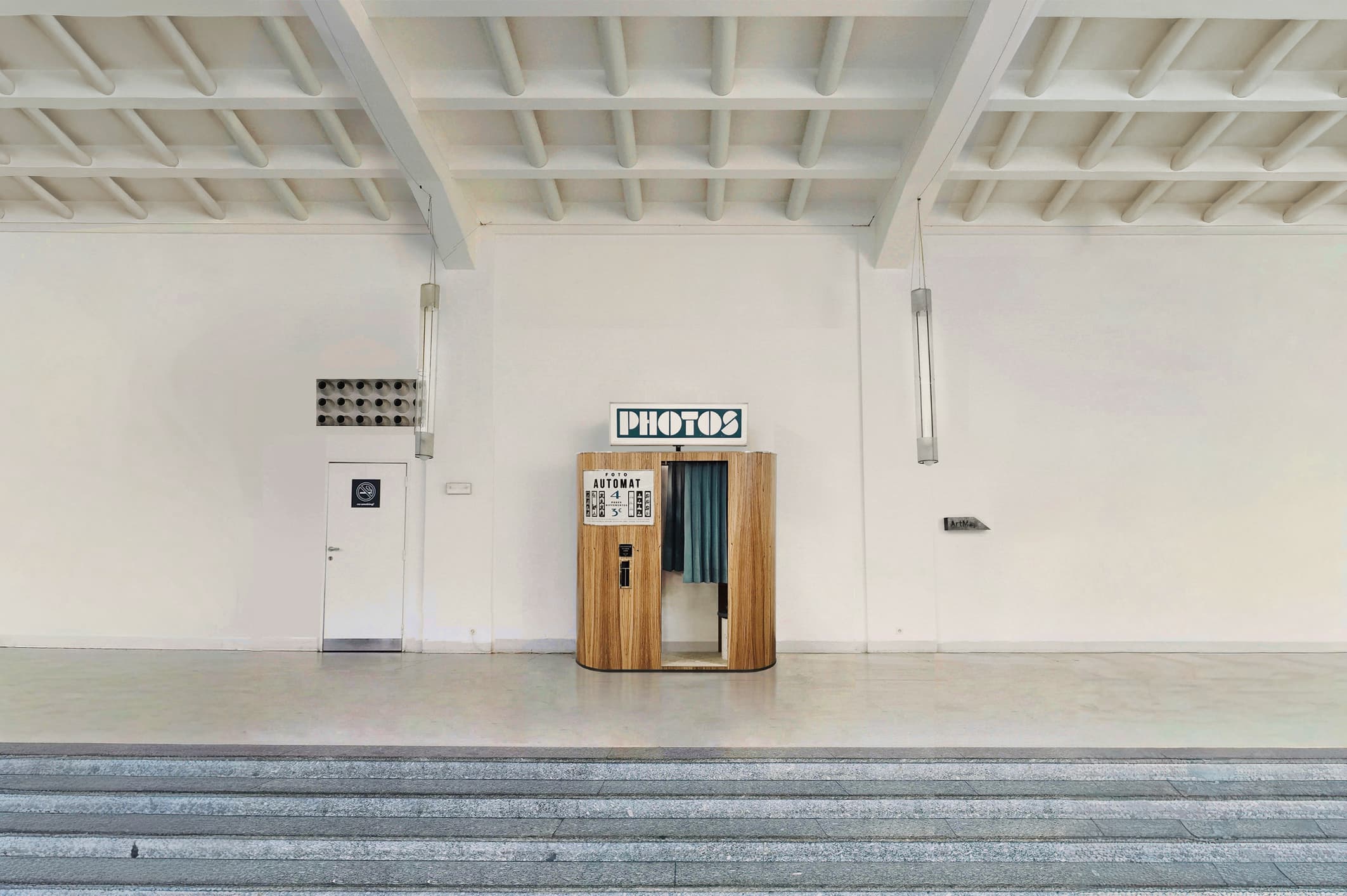
First Fotoautomat was set in Palais de Tokyo
HR:How long does the restoration process take?
.
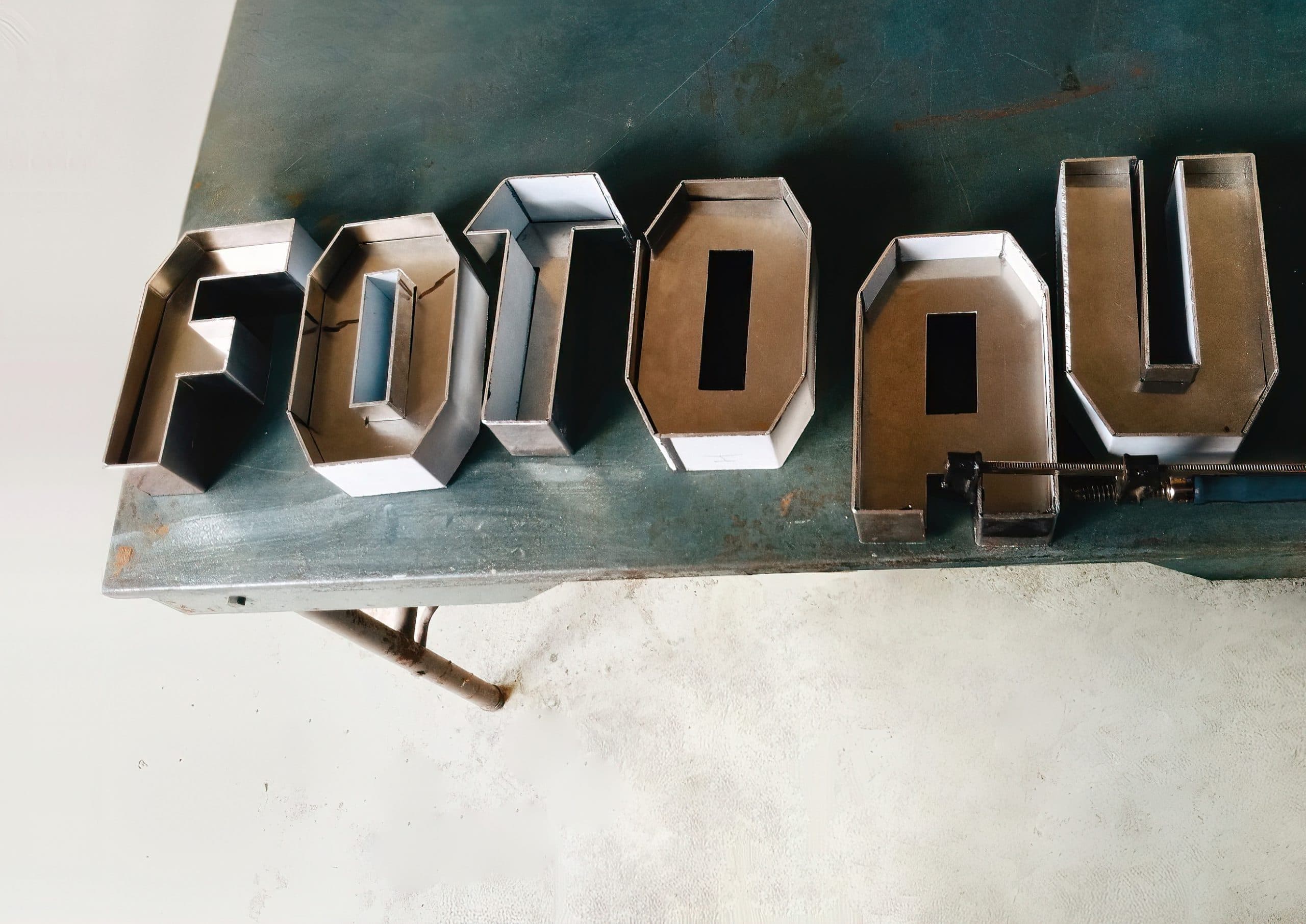
Restoring a booth can take from a few months to several years, depending on the design we create with Virginie Voisneau. Sometimes, it requires to dismantle completely the machine and rebuilt the structure. A large part of our work is about create a unique aesthetic identity of the booth according to the place it is intended for, its architecture, its environment, mainly in venues dedicated to art and culture.
The standard finishes are replaced with selected materials such as brass, fine wood, or polished mirror metal. Every detail of the machine is reinvented : posters, doors, instruction plates, curtains… which, unfortunately, has led to a rise in copies we now challenge.
HR:This project has spanned nearly 20 years. What has been the most significant challenge you’ve faced? (We read in Le Monde about the challenges with discontinued film stock…) What is it that keeps your passion alive after all these years?
.
Indeed, consumables have become increasingly rare.
One of the most difficult moments was when access to the last manufacturer of the specific photographic paper we use was suddenly interrupted.
These machines rely on a very precise type of material, and there are no direct substitutes. We had to rethink parts of the process, test alternatives, adjust the chemistry and the mechanics. These booths still run on their original parts, which must be repaired and preserved, as they are no longer replaceable.
We therefore have to constantly find and develop alternatives to keep the machines running. Sustainability, in our case, doesn’t come from stability, but from the ability to keep the system running despite its fragility.
What drives us is to consider each booth as kind of ongoing creative exploration, seeking new forms and working with novel materials. This also extends to our own spaces that host them now, where we also design and built architecture.
HR:As guardians of this analog heritage, how do you perceive the rise of social media and AI in the world of photography today?
.
Digital tools and AI tend to produce highly controlled images.
Our position is different:we work with a device that introduces a degree of uncertainty. It’s not about opposing technologies, but about offering another kind of experience.
An image that exists physically, immediately, without the possibility of correction. It leaves room for something more direct.
HR:In your observation, why are people still drawn to these booths in the digital age? What is the most interesting or memorable behavior you’ve witnessed from people using the Fotoautomat?
.
The booth creates a very particular situation:
it’s a private space within a public one.
Once the curtain is closed, there is no intermediary. People experiment, play, try things.
We often see marriage proposals, improvised scenes, sometimes art experimentation.
What’s interesting is that people come back, with friends, lovers, children, like a social ritual that spans generations, documenting a life over time.
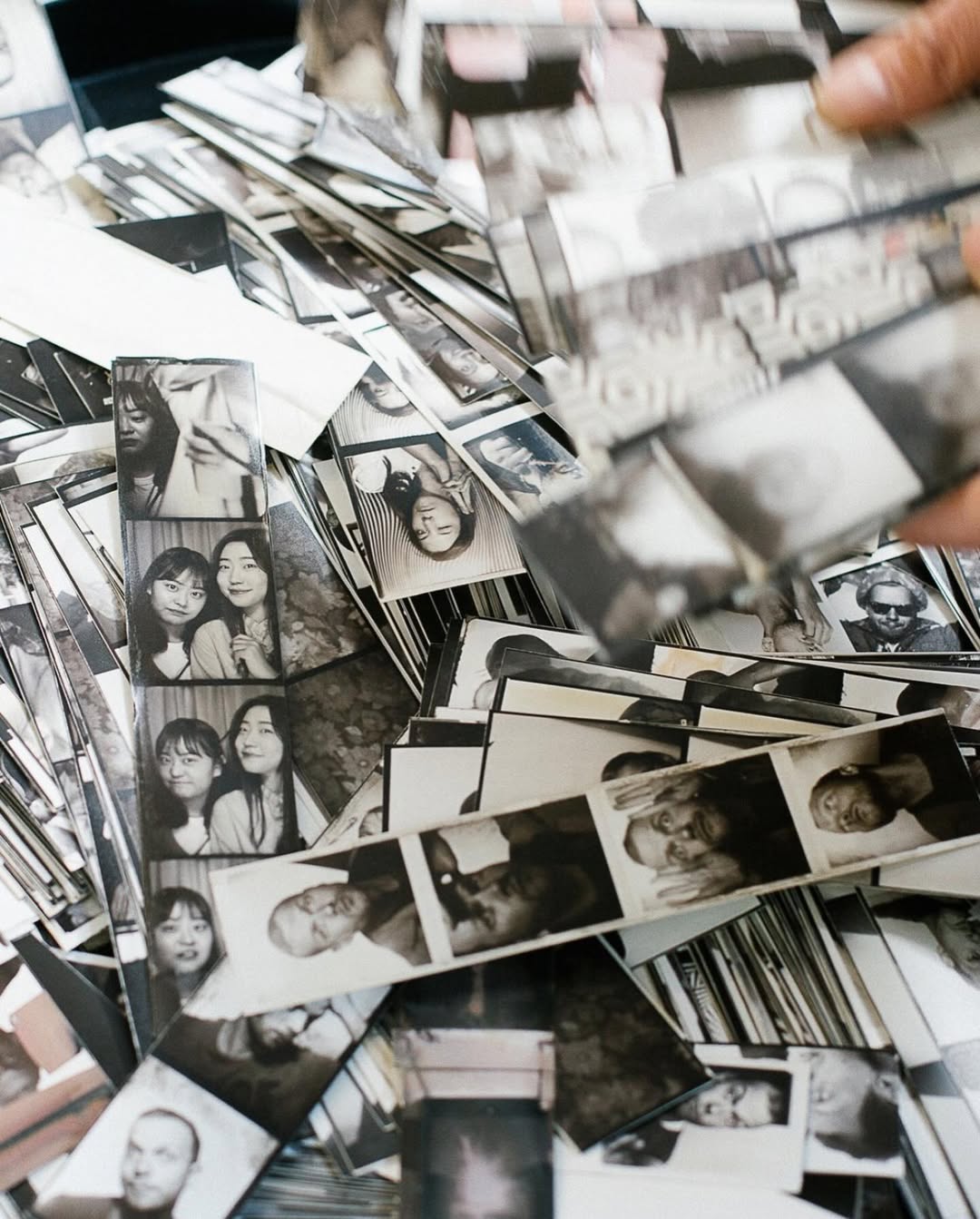
Photo via FOTOAUTOMAT.France
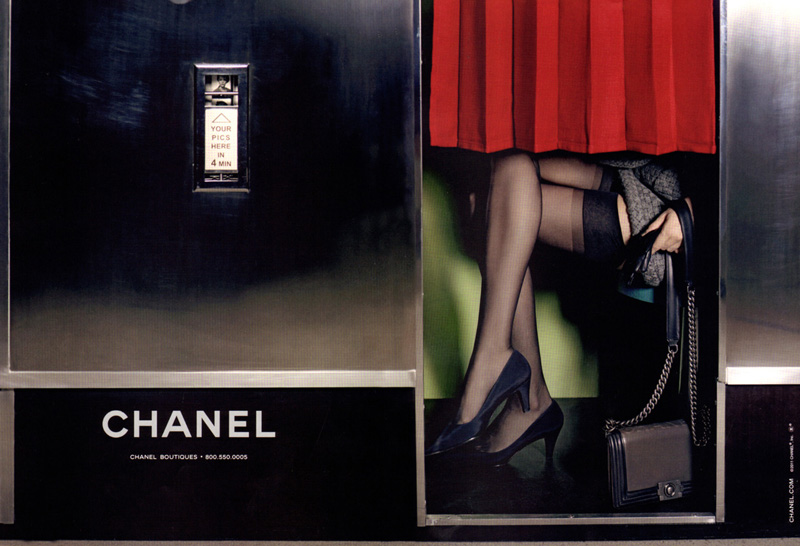
HR:From Chanel’s Fall/Winter 2011 campaign to recent visits from icons like Jennie Kim (Blackpink), Fotoautomat has become a cultural landmark. In your eyes, is this a form of “Parisian Romance”?
.
The Fotoautomat studio in Montmartre, the first photobooth integrated into the storefront window with direct street access, no longer confidential, now popularized as a Parisian icon.
在 Instagram 查看這則貼文
HR:Has anyone ever approached you about bringing Fotoautomat to Asia?
.
An Art center in China acquired one of our photo booths, the first analog one in Asia, but it was an exception, given how rare these booths are today.
HR:Beyond opening new locations in Paris, do you see Fotoautomat evolving in other ways?
.
We recently opened a new location in Montmartre with our first color photobooth. We worked to create a high quality digital photobooth offering warm tones on a thick, velvety fine art paper.
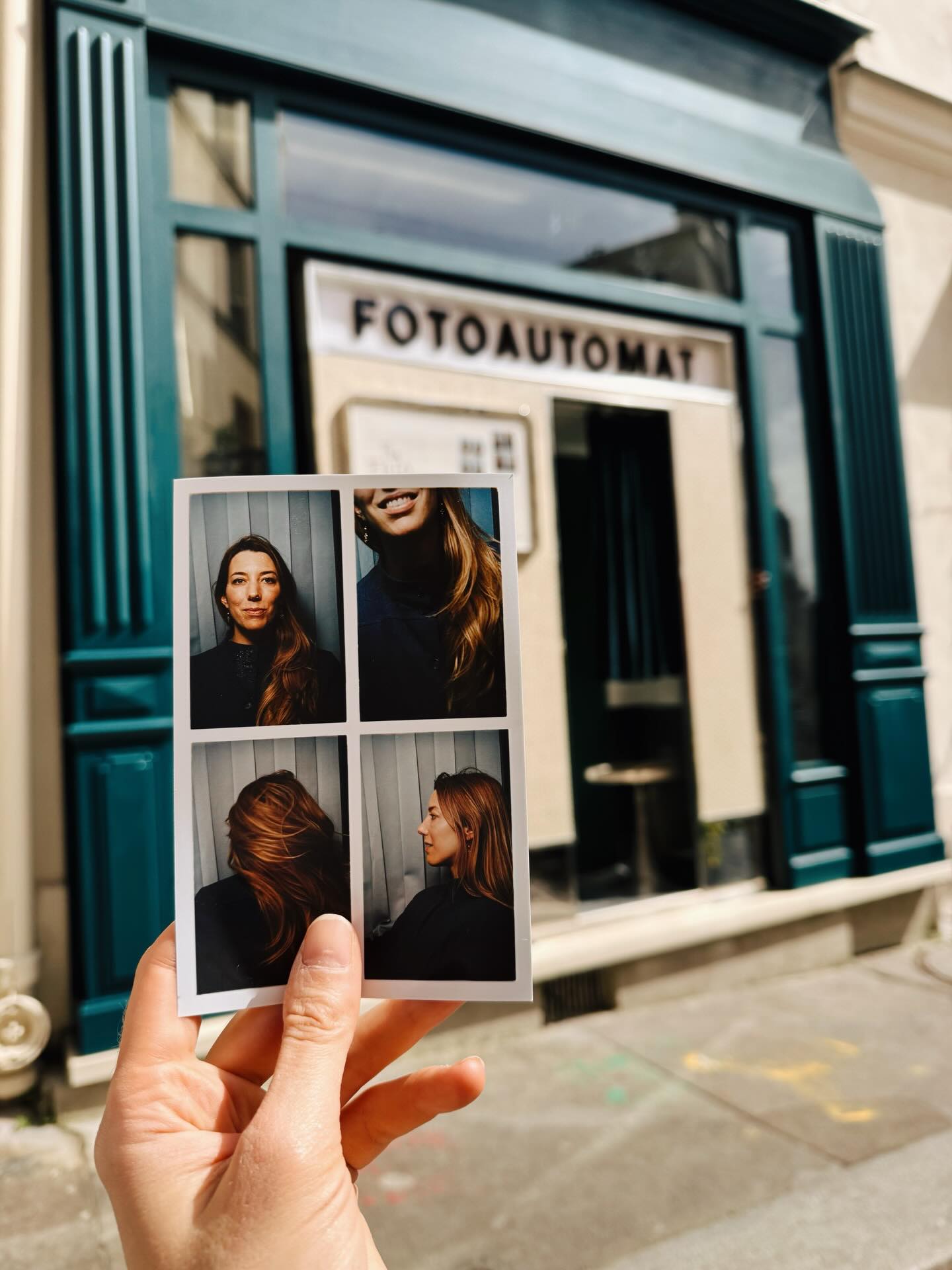
HR:Is there anything you would like to say to those who travel to Paris specifically to visit a Fotoautomat?
.
No instructions needed.
Enter, close the curtain, sit.
The rest happens by itself.
Special thanks to Eddy Bourgeois & Virginie Voisneau @ Fotoautomat France
All Images via Fotoautomat
Interview by HEAVEN RAVEN